Research Articles
Emerging Cancer Biomarkers: A Head-to-Head Comparison of Technologies, Clinical Applications, and Validation Strategies
This article provides a comprehensive comparative analysis of emerging cancer biomarkers for researchers, scientists, and drug development professionals.
Comparative Analysis of Imaging Modalities for Early Detection: Advancing Precision in Disease Diagnosis and Drug Development
This article provides a comprehensive comparative analysis of established and emerging imaging modalities for early disease detection, with a specific focus on applications in drug discovery and development.
Validating Cancer Signal Origin Prediction: Accuracy, Methods, and Clinical Impact
This article provides a comprehensive analysis of the validation frameworks, methodological approaches, and clinical implications for Cancer Signal Origin (CSO) prediction accuracy.
Analytical Validation of ctDNA Methylation Assays: A Comprehensive Guide for Precision Oncology Research
This article provides a comprehensive framework for the analytical validation of circulating tumor DNA (ctDNA) methylation assays, a critical step in translating liquid biopsy from research to clinical practice.
Beyond Sensitivity: Why PPV is the Critical Metric for Blood-Based Cancer Tests in Clinical Development
This article provides a comprehensive analysis of Positive Predictive Value (PPV) in the context of novel blood-based multi-cancer early detection (MCED) tests, tailored for researchers, scientists, and drug development professionals.
Evaluating AI-Driven Diagnostic Tools: A Framework for Performance, Validation, and Clinical Integration
This article provides a comprehensive framework for the performance evaluation of AI-driven diagnostic tools, tailored for researchers, scientists, and drug development professionals.
Biomarker Platform Specificity: A 2025 Cross-Platform Comparison for Research and Drug Development
This article provides a comprehensive analysis of specificity across major biomarker platforms, including multiplex immunoassays, next-generation sequencing, and PCR-based technologies.
Comparative Analysis of Multi-Cancer Early Detection (MCED) Tests: Sensitivity, Specificity, and the Path to Clinical Validation
This article provides a comprehensive comparative analysis of the sensitivity and specificity of leading Multi-Cancer Early Detection (MCED) tests, a rapidly advancing field in oncology diagnostics.
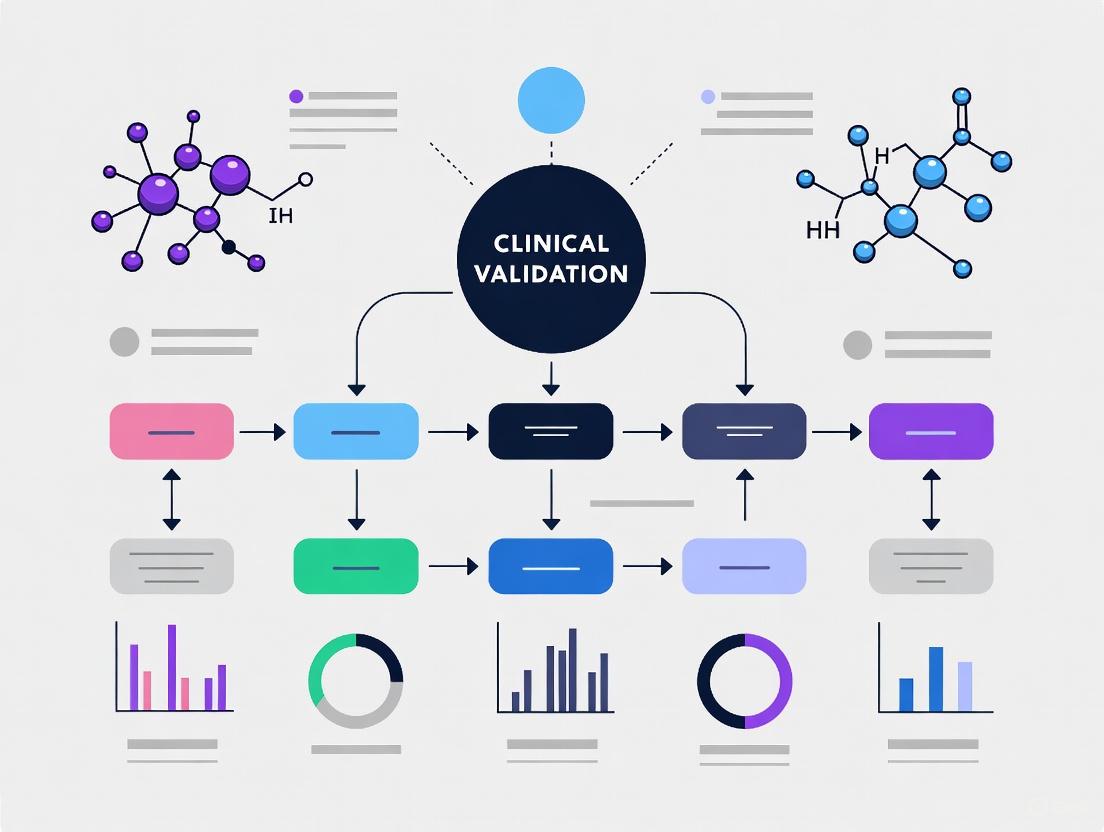
Clinical Validation of Multi-Cancer Early Detection Tests: A Comprehensive Review of Performance, Methodologies, and Future Directions
Multi-cancer early detection (MCED) tests represent a transformative approach in oncology, capable of identifying multiple cancer types from a single biological sample.
Liquid Biopsy vs. Traditional Screening: A New Paradigm for Cancer Detection and Monitoring in Precision Oncology
This article provides a comprehensive analysis for researchers and drug development professionals on the evolving role of liquid biopsy compared to traditional cancer screening methods.